
Réflexions martiales d’un Hypnofighter #503 : Intégrer le Catch Wrestling dans le Grappling Actuel

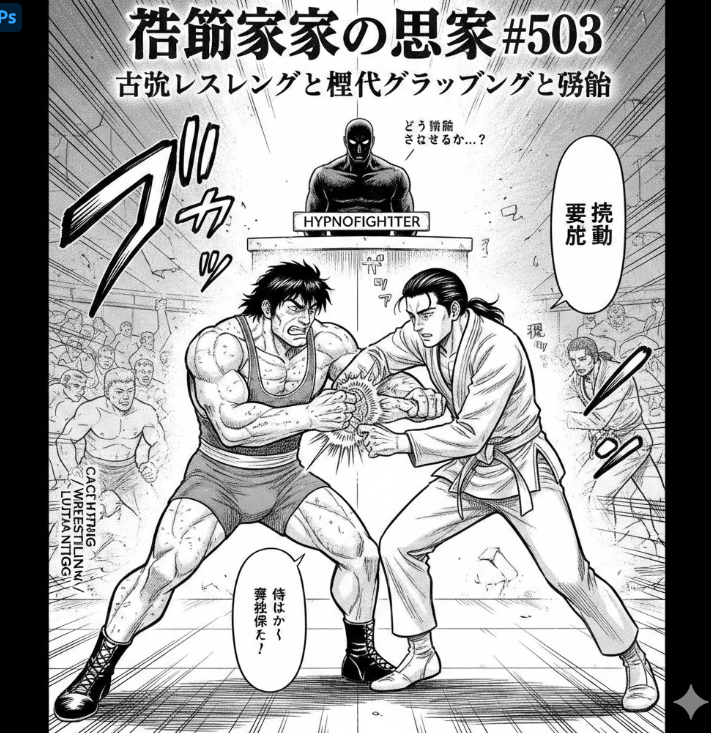
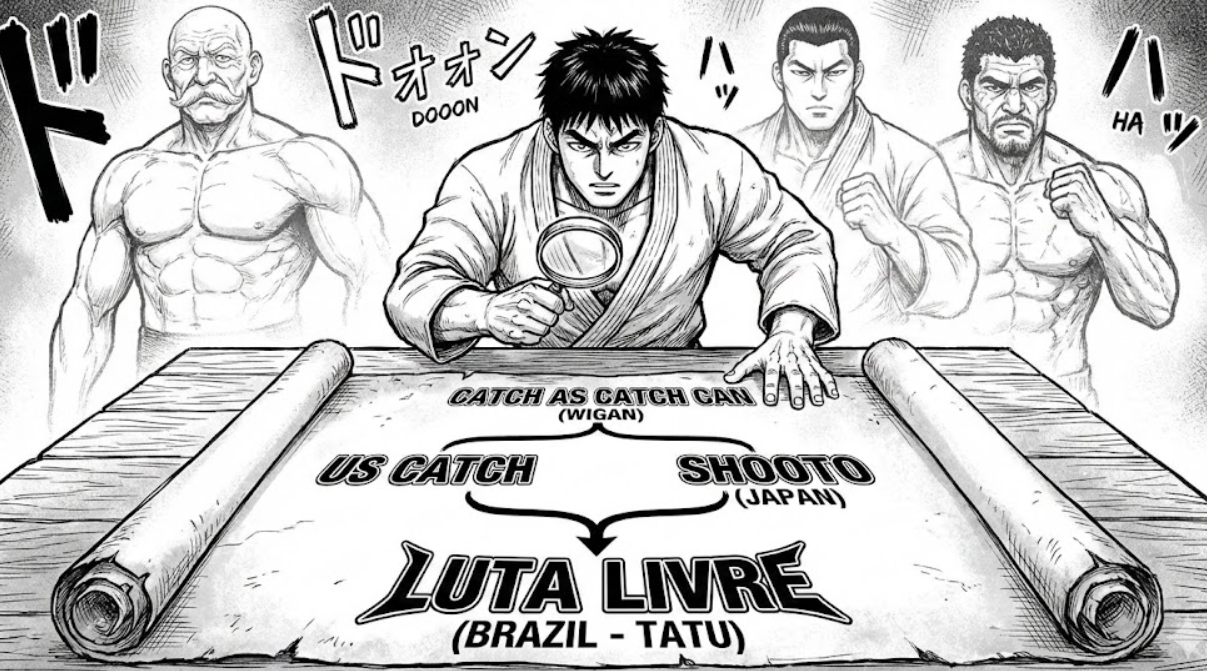
Mon intention cette saison est de retourner aux sources de la Luta Livre de Tatu. Pour ce faire, j’étudie dans un premier temps la forme de Catch Wrestling de Wigan, pour ensuite passer à celle des USA, la mère de la Luta, et enfin à celle du Japon, avec le Shooto.

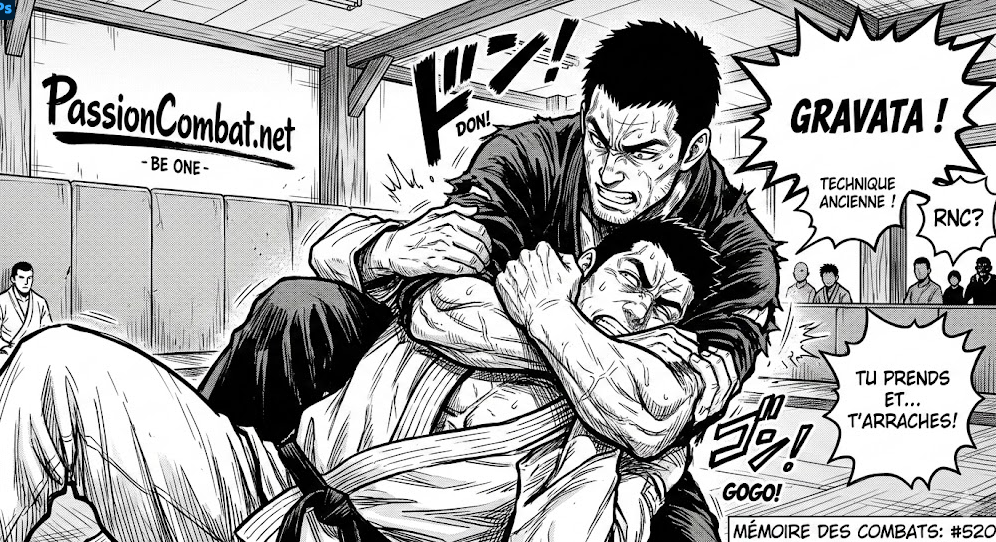
Cependant, une chose est complexe : intégrer un système qui ne pense pas comme ce que nous étudions depuis 30 ans, ce grappling formalisé à travers le Jiu-Jitsu. D’ailleurs, notre façon d’enseigner les techniques, même si le « rebranding » américain est maintenant Jiu-Jitsu, en tant que professeur, donne un enseignement qui reste assez souple, avec des transitions marquées par une certaine fluidité.

En Catch Wrestling / Luta Ancienne (CWLA), tout est séquencé avec l’utilisation de la douleur comme un levier nécessaire dans l’exécution des techniques. Ce qui donne une impression de « bourrinage » et que rien ne se fait de façon fluide. De plus, à l’inverse du grappling, il y a beaucoup de décrochages. C’est un peu comme si, en Jiu-Jitsu, on s’adaptait à l’opposant, on gardait le contact pour rester dans une séquence, alors qu’en CWLA, on pense à toujours se relever.

Ce n’est pas une fuite, mais il y a une préférence à lâcher une posture qui n’apporte rien en se « dégrafant » pour récupérer soit debout, soit sur un équivalent « à genoux ». Ce sont des situations dont nous, grapplers, ne sommes pas fans, voire que nous pouvons considérer comme de l’anti-jeu.

Seulement, c’est cohérent avec cette idée d’éviter de rester dessous et, inconsciemment, de subir des takedowns. Se redresser et chercher à retrouver une posture neutre, souvent en lutte, est préférable à recomposer une garde et de « sweeper ».

Dans une démarche de vouloir intégrer au sein de la forme de Luta Livre que Flavio m’a transmise, tout en respectant des concepts plus CWLA avec ce qu’est devenu le grappling actuel, il y a beaucoup de choses qui ne semblent pour l’instant pas vraiment compatibles et qu’il va falloir que je parvienne à intégrer pour l’enseigner dans le jeu de mes élèves…

Prenez ce qui est bon et juste pour vous. Be One, Pank.

Martial Reflections of an Hypnofighter #503: Integrating Catch Wrestling into Modern Grappling

My intention this season is to return to the roots of Tatu’s Luta Livre. To do this, I am initially studying the Wigan form of Catch Wrestling, then moving on to the USA’s form, the mother of Luta, and finally Japan’s, with Shooto.

However, one thing is complex: integrating a system that doesn’t think like what we’ve been studying for 30 years, this grappling formalized through Jiu-Jitsu. Moreover, our way of teaching techniques, even if there’s been an American rebranding to Jiu-Jitsu, as a teacher, results in a fairly flexible instruction with transitions marked by a certain fluidity.

In Catch Wrestling / Old Luta (CWLA), everything is sequenced with the use of pain as a necessary lever in the execution of techniques. This gives an impression of « brutality » and that nothing is done fluidly. Furthermore, unlike grappling, there are many disengagements. It’s a bit like in Jiu-Jitsu we adapt to the opponent, we maintain contact to stay in a sequence, whereas in CWLA, the thought is always to get back up.

This isn’t an escape, but there’s a preference to abandon a posture that offers nothing by « disengaging » to recover either standing or in a « kneeling » equivalent. These are situations that we grapplers are not fond of, and we might even perceive them as anti-game.

However, it’s consistent with the idea of avoiding staying underneath and, unconsciously, suffering takedowns. Getting back up and trying to regain a neutral posture, often in wrestling, is preferable to recomposing a guard and sweeping.

In an effort to incorporate elements into the Luta Livre form that Flavio passed on to me, while also respecting more CWLA concepts within what modern grappling has become, there are many things that currently don’t seem truly compatible and that I will have to succeed in integrating to teach them in my students’ game…

Take what is good and right for you. Be One, Pank.

Réflexions martiales d’un Hypnofighter #499 : Quelques hypothèses sur la Luta Livre Esportiva issue du Catch Wrestling

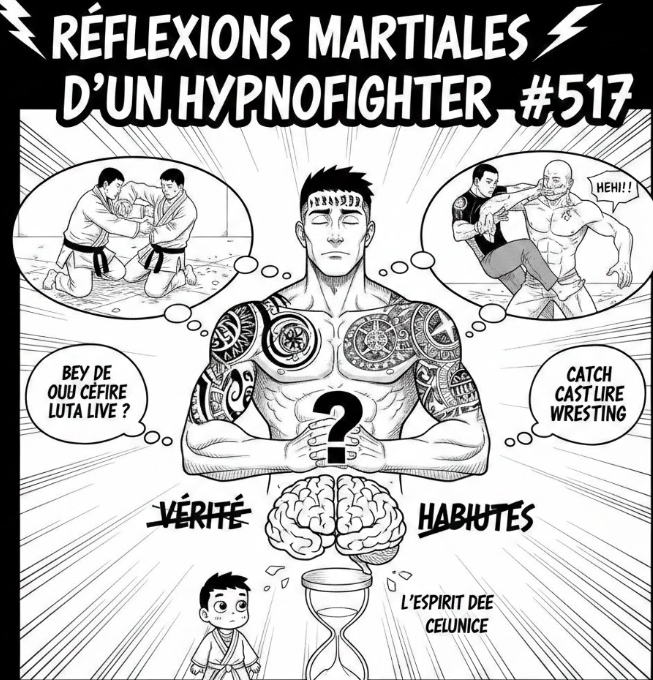
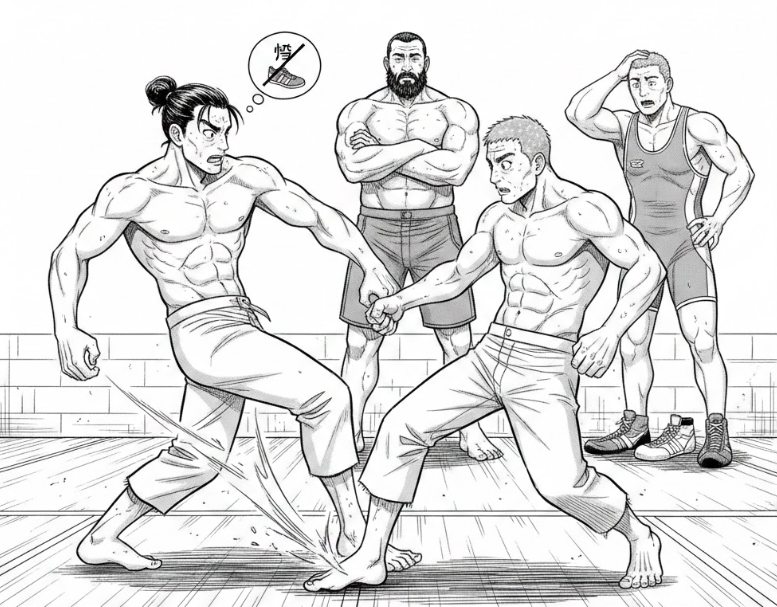
Où se trouvent les chaussures en Luta Livre Esportiva ? Je me pose cette simple question : comment se fait-il qu’aujourd’hui, la Luta Livre, telle que Tatu a pu la partager, se pratique sans chaussures ? Je vous rappelle que Tatu était un élève du combattant et professeur de Catch Wrestling Manoel Rufino Dos Santos. Un style qui, lui, porte des chaussures. Je vais chercher l’information…

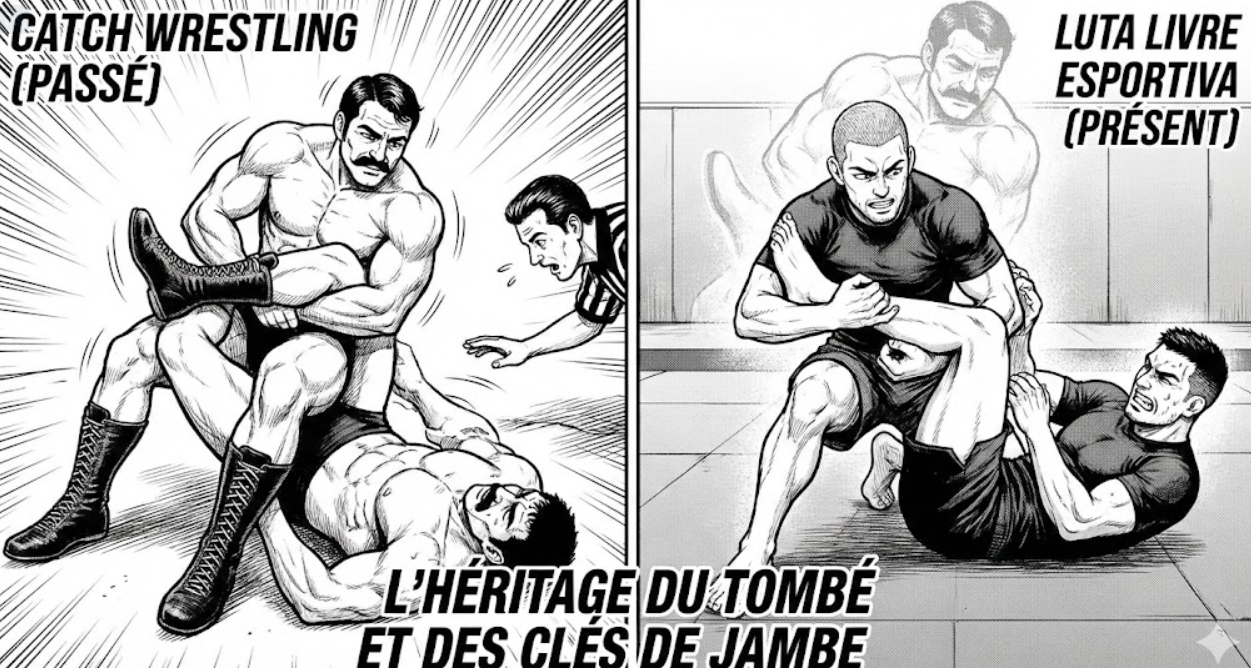
En tout cas, l’utilisation des chaussures, tout comme la règle du « tombé » (pinfall), explique la forme si particulière qu’a prise l’expression compétitive du Catch Wrestling. Cela a dû également influencer la Luta Livre, dont on aime dire qu’elle avait une spécialité de clés de jambe. Si on étudie un peu le CACC (Catch-As-Catch-Can), on se rend compte que les jambes étaient énormément utilisées pour mettre des crochets, les tirer ou les tordre afin de chercher le tombé.

Vous pouvez d’ailleurs le voir en Lutte universitaire, où souvent les jeunes se mettent sur le ventre (comme au judo) ou en quadrupédie pour éviter le tombé. Les nelsons (crochets de bras) ou les attaques sur les pieds sont alors les seuls moyens efficaces pour les retourner (voire, si l’on est colossal, l’arraché). La prise de dos pour étrangler n’y existe pas.

Ceci explique sûrement pourquoi les Lutadores étaient initialement moins des passeurs de garde que des attaquants de jambes. Par extension, on peut comprendre, par la forme de la lutte de Wigan, pourquoi les guillotines sont tant utilisées dans la Luta Livre. Un autre vestige du CACC que tous les élèves de Flavio Santiago Peroba (FST) ont vécu avec le mantra : « Ne mets jamais ton dos au sol, n’accepte pas ».

Nous revenons sur le danger du tombé. Pendant des décennies, dans les divers combats de lutte qui pouvaient se faire sous des règles mixtes (Judo/Jiu-jitsu, gréco, libre ou Vale Tudo), le tombé pouvait très souvent mettre fin au combat. Par conséquent, cela n’offrait pas de temps pour rester sur le dos et travailler, mais incitait à vite faire des « wrestle up » pour combattre debout.

Rappel : Les frères Gracie, et surtout Helio, avaient une garde fermée terrible, difficile à passer. Mais, et c’est une conséquence logique, elle était peu agressive, allant souvent au « Draw » (match nul) lors des combats.

Il y a certainement beaucoup de choses dans la culture de la Luta Livre Esportiva qui se font par mimétisme des générations passées, et qui sont désormais ancrées dans la culture du style, provenant de l’histoire et de son origine : le Catch Wrestling.

Prenez ce qui est bon et juste pour vous. Be One, Pank. https://www.passioncombat.net/
— 

Martial Reflections of an Hypnofighter #499: Some Hypotheses on Luta Livre Esportiva derived from Catch Wrestling

Where are the shoes in Luta Livre Esportiva? I ask myself this simple question: how is it that today, Luta Livre, as Tatu shared it, is practiced without shoes? I remind you that Tatu was a student of the fighter and Catch Wrestling professor Manoel Rufino Dos Santos. A style that does wear shoes. I will look for the information…

In any case, the use of shoes, just like the « pinfall » rule, explains the very particular form that the competitive expression of Catch Wrestling took. This must have also influenced Luta Livre, which is often said to have had a specialty in leg locks. If we study CACC (Catch-As-Catch-Can) a little, we realize that legs were used enormously to place hooks, pull them, or twist them in order to seek the pinfall.

You can see this in collegiate wrestling, where young athletes often lay on their stomachs (like in Judo) or in a quadrupedal position to avoid being pinned. Nelsons (arm hooks) or attacks on the feet are then the only effective ways to turn them over (or, if one is colossal, the deadlift). Taking the back to choke does not exist there.

This surely explains why Lutadores were initially less guard passers than leg attackers. By extension, we can understand, through the form of Wigan wrestling, why guillotines are so widely used in Luta Livre. Another remnant of CACC that all students of Flavio Santiago Peroba (FST) experienced with the mantra: « Never put your back on the ground, never accept it. »

We return to the danger of the pinfall. For decades, in various grappling matches that could take place under mixed rules (Judo/Jiu-jitsu, Greco, Freestyle, or Vale Tudo), the pinfall could very often end the fight. Consequently, this did not offer time to stay on the back and work, but encouraged quickly doing « wrestle ups » to fight standing.

Reminder: The Gracie brothers, and especially Helio, had a terrible closed guard that was difficult to pass. But, and this is a logical consequence, it was not very aggressive, often leading to a « Draw » during fights.

There are certainly many things in the culture of Luta Livre Esportiva that are done by mimicking past generations, and which are now anchored in the culture of the style, coming from history and its origin: Catch Wrestling.

Take what is good and right for you. Be One, Pank. https://www.passioncombat.net/
Réflexions martiales d’un Hypnofighter #496 : Le cas Jorge (George) Gracie

Plus je lis sur l’histoire du Gracie Jiu-jitsu, et bien qu’ils aient partagé une forme de jiu-jitsu ayant remis en cause les logiques de combat et que la pratique quotidienne reste ludique tout en étant efficace, je me rends compte à quel point ce sont des escrocs. Ce sont de sales types, sans même parler de l’esprit de culte (autour de Carlos) ou des positions idéologiques questionnables (l’eugénisme).

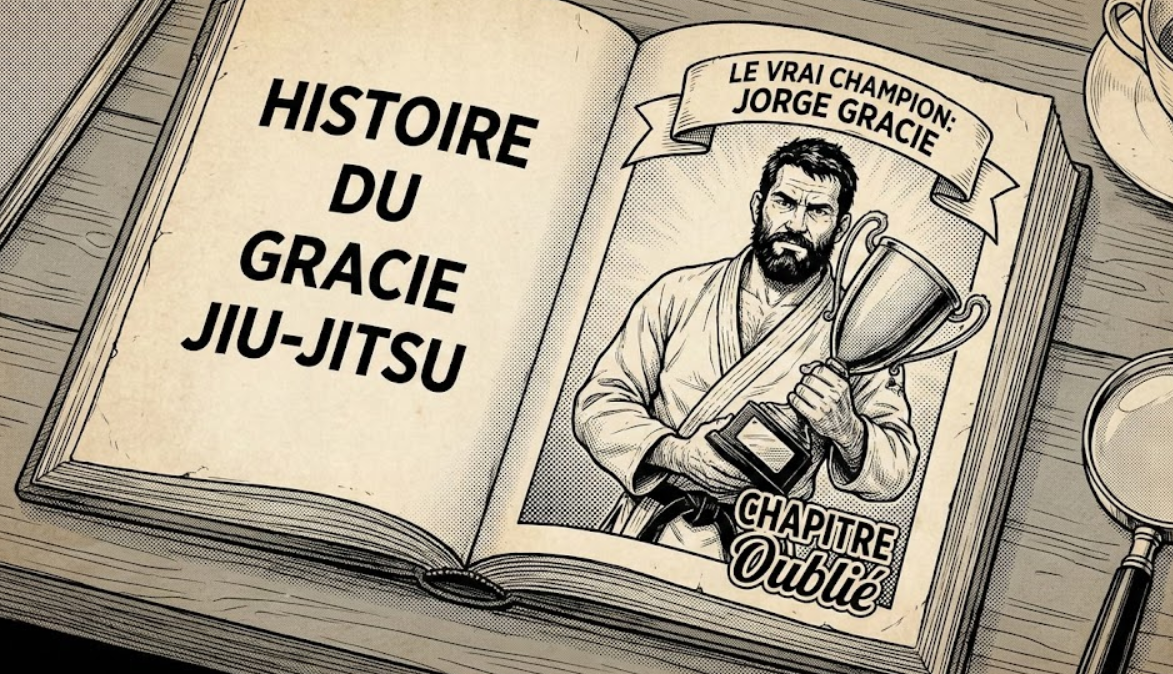
Carlos et Hélio, comme tout « fondateur » d’école, ont remanié l’histoire en diminuant ou en effaçant certains de leurs frères de l’équation. Gastão, qui n’a pas été un combattant, est rarement mentionné. C’est aussi le cas d’Oswaldo, qui a pourtant plus combattu que Carlos, et surtout de Jorge (George).

Vous avez sûrement en tête le fait qu’Hélio était malingre et qu’il a révolutionné le Jiu-jitsu pour s’adapter à son faible poids ? C’est faux. Dans les articles de journaux et lors des pesées de combat, Hélio pesait à 17 ans entre 62 et 63 kg, et a fait des combats pas loin de 70 kg. Gardez en tête que les Brésiliens étaient assez « petits » en taille et en poids à l’époque.

Mais Jorge, lui, faisait quasiment le même poids et a combattu des dizaines de fois dans tous les défis, ce qui n’était absolument pas le cas pour Hélio. Jorge a combattu en Jiu-jitsu, sous les formes de Judo de l’époque, en Catch Wrestling, et même en Gréco-romaine et en Vale Tudo, pour finir avec le Pro Wrestling.

Il prenait des adversaires de 40 kg de plus que lui. Il gagnait, il perdait, mais il était ultra-agressif contre tous les combattants. Sa grande différence avec Hélio, et ce qui fait qu’il pouvait perdre plutôt que d’aller au match nul (une recherche classique dans les combats de l’époque), c’est qu’il voulait soumettre coûte que coûte, alors que son cadet faisait de la rétention et cherchait les opportunités de contre.

Jorge a assez vite partagé avec la Luta Livre et la Capoeira, mis en place son Académie et combattu pour lui-même. Il a diffusé sur une grande partie du territoire le Jiu-jitsu Gracie, mais il était certainement trop belliqueux pour rester sous la coupe de Carlos. C’est un pratiquant qui a pourtant eu des élèves, mais qui a été étouffé dans le storytelling familial.

Prenez ce qui est bon et juste pour vous. Be One, Pank. https://www.passioncombat.net/
Title: Martial Reflections of a Hypnofighter #496: The Case of Jorge (George) Gracie

The more I read about the history of Gracie Jiu-Jitsu, and despite the fact that they shared a form of jiu-jitsu that challenged combat logic and that daily practice remains fun while being effective, I realize to what extent they are crooks. They are nasty guys, not to mention the cult-like mentality (around Carlos) or questionable ideological positions (eugenics).

Carlos and Helio, like any school « founders, » reshaped history by diminishing or erasing some of their brothers from the equation. Gastão, who was not a fighter, is rarely mentioned. This is also true for Oswaldo, who nevertheless fought more than Carlos, and especially for Jorge (George).

You probably have in mind the idea that Helio was frail and revolutionized Jiu-Jitsu to adapt to his light weight? False. In newspaper articles and fight weigh-ins, Helio weighed between 62 and 63kg at age 17, and had fights close to 70kg. Keep in mind that Brazilians were generally quite « small » in height and weight at the time.

But Jorge weighed almost the same and fought dozens of times in every challenge, which was absolutely not the case for Helio. Jorge fought in Jiu-Jitsu, in the Judo forms of the era, in Catch Wrestling, even in Greco-Roman and Vale Tudo, ending up in Pro Wrestling.

He took on opponents 40kg heavier than him. He won, he lost, but he was ultra-aggressive against all fighters. His great difference with Helio, and what meant he might lose rather than fight to a DRAW (a classic goal in fights of that era), is that he wanted to submit at all costs, whereas his younger brother used stalling tactics and looked for counter-opportunities.

Jorge quite quickly shared knowledge with Luta Livre and Capoeira, set up his own Academy, and fought for himself. He spread Gracie Jiu-Jitsu over a large part of the territory, but was certainly too pugnacious to remain under Carlos’s thumb. He was a practitioner who did have students, yet was stifled by the family storytelling.

Take what is good and right for you. Be One, Pank. https://www.passioncombat.net/
Réflexions martiales d’un Hypnofighter #495 : Sakuraba, le maitre des double wristlock

Nous connaissons tous Sakuraba, légende de l’ancienne génération du MMA. Il a battu trois des Gracie à une époque où l’on pensait que les pratiquants de BJJ étaient les combattants les plus dangereux du circuit. Ce qui est cocasse, c’est que Billy Robinson, élève et champion de Catch-as-Catch-Can de Wigan (Le Snake Pit) – dont je vous ai déjà parlé comme étant l’un des enseignants des fédérations de Pro Wrestling japonaises – tenait un discours intéressant quant au Jiujitsu.

Il pensait que le Catch Wrestling avait manqué de chance parce que tous les bons combattants de la discipline étaient partis dans les circuits de Pro Wrestling pour l’argent, et que la facette martiale du style n’avait pas été autant enseignée qu’elle l’était au début du 20e siècle. Il estimait que les catch wrestlers avaient les clefs pour battre les Gracie lors des premières années de l’UFC et autres NHB.

Et il n’a pas eu tort, car Saku était son élève quand il a combattu la famille Gracie. Il ne faut pas oublier qu’il était déjà un bon lutteur avant d’être pro-wrestler. Et saviez-vous que la spécialité du catch wrestling de Robinson était le « double wristlock », autrement dit la Kimura, que Sakuraba a passée aux trois combattants brésiliens.

La chance n’a rien à voir là-dedans. L’histoire du BJJ comme du Catch Wrestling au Brésil a montré, sur des centaines de combats, que les deux écoles étaient assez équilibrées en termes de victoires jusqu’aux années 50-60. Les Jiujitsukas gagnaient souvent quand le kimono était obligatoire, tandis que les Catch wrestlers (les lutadores) remportaient souvent les combats sans gi.

Sakuraba a utilisé une technique qui était, à cette période, une faiblesse du jeu des Gracie. Il s’agit de l’une des principales attaques du Catch Wrestling, utilisable aussi bien debout (dans un formalisme de soumission ou de projection) qu’au sol. Au Pride, l’affrontement Gracie Jiujitsu vs Catch Wrestling n’était qu’une simple continuation d’une rivalité existant depuis 1915 entre les deux styles.

Prenez ce qui est bon et juste pour vous. Be One, Pank. https://www.passioncombat.net/
Martial Reflections of an Hypnofighter #495: Sakuraba, the Master of Double Wristlocks

We all know Sakuraba, a legend of the old MMA generation. He beat three of the Gracies at a time when BJJ practitioners were considered the most dangerous fighters on the circuit. What is funny is that Billy Robinson, a student and champion of Catch-as-Catch-Can from Wigan (The Snake Pit)—whom I have spoken to you about before as being one of the instructors for Japanese Pro Wrestling federations—had an interesting discourse regarding Jiujitsu.

He believed that Catch Wrestling had been unlucky because all the good fighters in the discipline had left for the Pro Wrestling circuits for the money, and that the martial facet of the style had not been taught as much as it was at the beginning of the 20th century. He estimated that catch wrestlers held the keys to beating the Gracies during the early years of the UFC and other NHB events.

And he was not wrong, because Saku was his student when he fought the Gracie family. We must not forget that he was already a good amateur wrestler before being a pro-wrestler. And did you know that Robinson’s catch wrestling specialty was the « double wristlock, » otherwise known as the Kimura, which Sakuraba successfully applied to the three Brazilian fighters.

Luck has nothing to do with this notion. The history of both BJJ and Catch Wrestling in Brazil showed, over hundreds of fights, that the two schools were fairly balanced in terms of victories up until the 50s and 60s. The Jiujitsukas often won when the kimono was mandatory, while the Catch wrestlers (the lutadores) often won the no-gi fights.

Sakuraba utilized a technique that was, at that period, a weakness in the Gracie game. It is one of the principal attacks of Catch Wrestling, usable both standing (in a submission or throw formalism) and on the ground. At Pride, the Gracie Jiujitsu vs. Catch Wrestling match was simply a continuation of a rivalry that had existed since 1915 between the two styles.

Take what is good and right for you. Be One, Pank. https://www.passioncombat.net/

Réflexions martiales d’un Hypnofighter #493 : Le Pro Wrestling

Gamin, j’ai été fan de Catch, ce que les Américains et les Japonais nomment « Pro Wrestling ». Ce qui est amusant, c’est qu’en cherchant à étudier les origines de la Luta Livre, et en fouillant principalement du côté de l’école du Catch-as-catch-can Wrestling (CACC), je réalise que tous les textes que je trouve – comme ceux de Billy Robinson ou des lutteurs de Wigan – parlent de cette discipline.

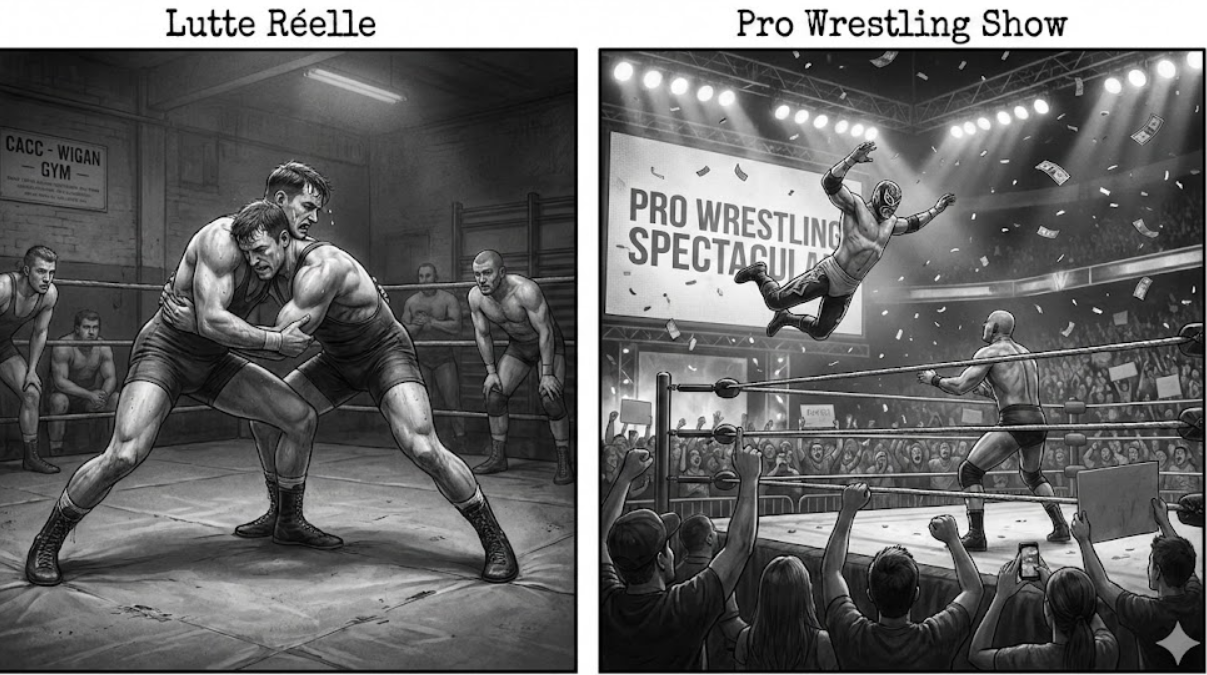
Ce qui est compliqué, c’est que dans les livres ou les vidéos, ils parlent indifféremment du Catch Wrestling (ou Luta Livre) tantôt comme de la lutte amateur potentiellement avec soumissions (le CACC ou Luta Livre Esportiva), tantôt comme du Pro Wrestling, c’est-à-dire le combat spectacle. Ce glissement s’est opéré parce que l’amateurisme ne rapportait pas d’argent et, surtout, parce que les spectateurs pouvaient se lasser des combats réels.

Nous aimons penser que les sports de combat sont nobles, qu’ils sont un symbole de la valeur des combattants, et que ceux qui pratiquent le font par désir de prouver quelque chose au monde. Si c’est bien sûr la motivation pour certains, l’argent semble, de tout temps, avoir été l’élément central. Combattre pouvait permettre d’éviter d’aller travailler aux champs ou dans les mines.

Plus piquant encore : si les combats sont devenus des shows – et on peut le voir de plus en plus avec l’UFC qui fait monter des combattants générant de l’intérêt et donc des sous –, les demandeurs de combats scriptés, voire déséquilibrés, sont bien les spectateurs, et aujourd’hui, les followers et les viewers.

On le sait depuis l’UFC 1, où l’on disait déjà que le spectateur était binaire : il veut du sang et des KO. Aujourd’hui, c’est pareil. Un match serré où les deux adversaires s’annulent déplaît. Eh bien, le combat amateur non truqué de l’époque du catch wrestling, et même de la boxe, intéressait de moins en moins. Les combattants qui voulaient vivre de leur discipline ont préféré passer au show du Pro Wrestling, qui plaisait aux foules et les faisait donc vivre de leur « sport ».

Prenez ce qui est bon et juste pour vous. Be One, Pank.

Martial Reflections of an Hypnofighter #493: Pro Wrestling

As a kid, I was a fan of Catch, what Americans and Japanese call « Pro Wrestling. » What’s amusing is that while trying to study the origins of Luta Livre, and digging primarily into the Catch-as-catch-can Wrestling (CACC) school, I realize that all the texts I find – like those by Billy Robinson or the Wigan wrestlers – talk about this discipline.

What is complicated is that in books or videos, they speak indifferently of Catch Wrestling (or Luta Livre) sometimes as amateur wrestling potentially with submissions (CACC or Luta Livre Esportiva), and sometimes as Pro Wrestling, that is to say, spectacle fighting. This shift occurred because amateurism brought in no money and, above all, because spectators could get bored with real fights.

We like to think that combat sports are noble, that they are a symbol of the fighters’ valor, and that those who practice do so out of a desire to prove something to the world. While this is certainly motivation for some, money seems to have always been the central element throughout history. Fighting could allow one to avoid working in the fields or the mines.

Even more stinging: if fights have become shows – and we can see this increasingly with the UFC pushing fighters who generate interest and therefore cash –, the ones demanding scripted or even imbalanced fights are indeed the spectators, and today, the followers and viewers.

We’ve known this since UFC 1, where it was already said that the spectator was binary: they want blood and KOs. Today, it’s the same. A tight match where the two opponents neutralize each other is displeasing. Well, the non-rigged amateur combat of the catch wrestling era, and even boxing, interested people less and less. Fighters who wanted to make a living from their discipline preferred to switch to the Pro Wrestling show, which pleased crowds and therefore allowed them to live off their « sport. »

Take what is good and right for you. Be One, Pank.

Réflexions martiales d’un Hypnofighter #490 : Les origines sociales et les luttes

Saviez-vous que la Luta Livre Esportiva a longtemps été considérée comme la lutte des quartiers pauvres ? Cette image de « pauvreté » était même indirectement renforcée par le dédain qu’avaient les Gracie pour les clés de cheville, qu’ils associaient à une pratique jugée inférieure.

Si Carlos Gracie avait une stratégie commerciale visant clairement les classes aisées au Brésil, Carlson fut le « traître » qui enseigna au « peuple ». La Luta Livre et le Catch as Catch Can Wrestling (CACC) sont, quant à eux, structurellement issus des classes populaires.

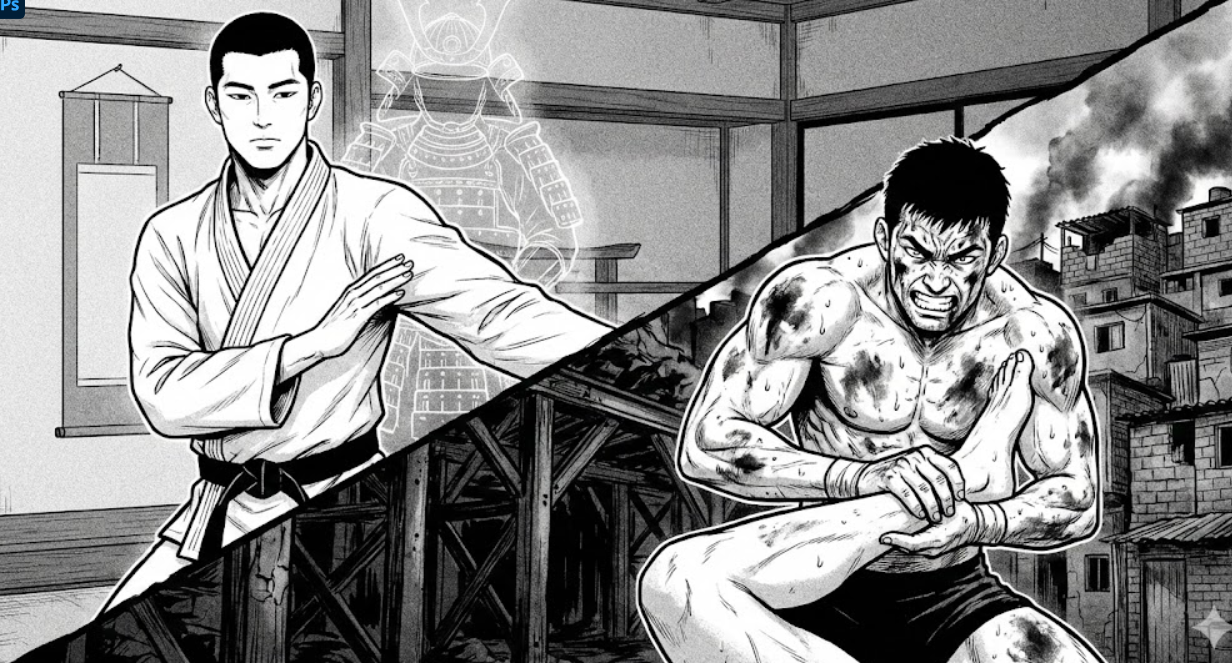
Si l’on vend souvent le Jiu-Jitsu comme l’art des samouraïs – une classe privilégiée du Japon féodal –, le CACC britannique (notamment celui de Wigan qui influencera la Luta Livre) est issu des milieux ouvriers et surtout miniers. Le Catch Wrestling au Royaume-Uni était potentiellement un moyen (bien que rare) de gagner de l’argent et ainsi d’éviter la mine.

Et nous savons aujourd’hui à quel point il est difficile de vivre des arts martiaux, même avec de nombreuses salles et des diplômes. Alors, imaginez au début du 20e siècle ! Les Catcheurs (CACC) et les Lutadors avaient une perception différente de l’investissement dans leur pratique ; leur sport de combat était une porte de sortie potentielle face à des conditions de vie difficiles.

Même si le JJB a mis en avant des champions issus des favelas, comme Tererê, ou grâce au travail effectué par des académies comme celle de Cicero Costa, nous pouvons comprendre que jusqu’aux années 2000, le Jiu-Jitsu n’était pas pour tous, malgré ce que Carlos Gracie Jr a cherché à développer plus tard avec Gracie Barra.

Aujourd’hui, les choses changent. Même si, comme aime le répéter Cyrille Diabaté, il est souvent plus courant de rencontrer des jeunes issus des classes populaires dans les sports de combat de contact, tout le monde peut désormais entrer et se développer dans le monde martial. Le Grappling en général est aujourd’hui plus ouvert, même si l’argent peut encore rester un facteur limitant pour la participation aux compétitions de haut niveau.

Prenez ce qui est bon et juste pour vous. Be One, Pank. https://www.passioncombat.net/
 Martial Reflections of an Hypnofighter #490: Social Origins and Grappling

Did you know that Luta Livre Esportiva was long considered the wrestling style of impoverished neighborhoods? This notion of « poverty » was even indirectly reinforced by the Gracie family’s disdain for ankle locks, which they associated with practices they deemed inferior.

While Carlos Gracie had a commercial strategy clearly targeting the wealthy classes in Brazil, Carlson was the « traitor » who taught the « people. » Luta Livre and Catch as Catch Can Wrestling (CACC) are, for their part, structurally derived from the working classes.

While Jiu-Jitsu is often marketed as the art of the samurai—a privileged class in feudal Japan—British CACC (particularly the Wigan style that would influence Luta Livre) originated in working-class and especially mining environments. Catch Wrestling in the UK was potentially a way (albeit a rare one) to earn money and thus avoid the mines.

We know today how difficult it is to make a living from martial arts, even with countless gyms and certifications. So, imagine the situation at the beginning of the 20th century! Catch wrestlers (CACC) and Lutadors had a different perception of investment in their practice; their combat sport was a potential gateway out of difficult living conditions.

Even though BJJ has highlighted champions from the favelas, such as Tererê, or through the work done by academies like Cicero Costa’s, we can understand that until the 2000s, Jiu-Jitsu was not for everyone, despite what Carlos Gracie Jr later sought to develop with Gracie Barra.

Today, things are changing. Even if, as Cyrille Diabaté likes to repeat, it is often more common to encounter young people from working-class backgrounds in full-contact combat sports, everyone can now enter and develop themselves in the martial world. Grappling in general is more open today, although money can still remain a limiting factor for participation in high-level competitions.

Take what is good and right for you. Be One, Pank. https://www.passioncombat.net/
Réflexions martiales d’un Hypnofighter #489 : Retourner vers les origines de la Luta Livre

J’accorde beaucoup d’importance à l’histoire des arts martiaux et de l’hypnose. Je cherche à comprendre les origines des systèmes pour mieux saisir pourquoi nous utilisons telle ou telle technique dans le sud de la Chine et telle autre en Savate. Je suis pratiquant de Luta Livre au sein de l’école FST (Flavio Santiago Team), ce qui fait de moi un représentant de la 3e génération de la discipline.

Si vous aimez le JJB, vous avez sûrement vaguement entendu parler de la Luta Livre, généralement grâce au travail de Nicolas Renier qui œuvre pour sa reconnaissance. La forme de Luta qui m’a été transmise avait de belles influences issues du JJB, du fait du gabarit de Flavio et parce que beaucoup de ses amis pratiquaient le Jiu-Jitsu. Cependant, depuis quelques années, je cherche à connaître la forme qu’avait la Luta du temps de Tatu, le fondateur de la discipline.

Historiquement, je sais qu’elle est issue du Catch Wrestling, une discipline qui me plaît depuis des années mais que je connais surtout via des tutoriels. Cette année, je vais tenter de remonter aux origines de la Luta et d’aller à la rencontre du Catch Wrestling par différents moyens.

D’abord, la version britannique de Wigan, l’originale issue du « Snake Pit » de Billy Riley. Puis, sa version américaine avec Erik Paulson, qui a été en lien avec Billy Robinson. Et enfin, toujours grâce à Paulson, la version japonaise avec le Shooto.

Ce qui m’intéresse dans cette démarche, c’est de voir comment les contextes historiques, s’étalant sur tout le 20e siècle, ont influencé ces disciplines. Le CACC (Catch As Catch Can) du début du 20e siècle permettait de devenir combattant et de faire du Pro-Wrestling pour éviter la mine. Le Catch Wrestling américain a opéré un transfert culturel et a donné naissance au Folkstyle Wrestling (la lutte universitaire). Le Shooto de Sayama représente le retour à l’affrontement réel, utilisant des techniques de Pro Wrestling marquées par la patte de Karl Gotch, lui-même issu du Snake Pit de Wigan…

Enfin, notre Luta Livre de Maître Tatu serait née du Catch Wrestling américain, mais tout cela, nous le verrons au fur et à mesure de « l’enquête ».

Prenez ce qui est bon et juste pour vous. Be One, Pank. https://www.passioncombat.net/
— 

Martial Reflections of an Hypnofighter #489: Returning to the Origins of Luta Livre

I place great importance on the history of martial arts and hypnosis. I seek to understand the origins of systems to better grasp why we use certain techniques in Southern China and others in Savate. I am a Luta Livre practitioner at the FST school (Flavio Santiago Team), making me a 3rd generation representative of the discipline.

If you like BJJ, you have probably vaguely heard of Luta Livre, generally thanks to the work of Nicolas Renier who works for its recognition. The form of Luta that was transmitted to me had strong BJJ influences, due to Flavio’s build and the fact that many of his friends practiced Jiu-Jitsu. However, for the past few years, I have been trying to discover the form Luta took during the time of Tatu, the discipline’s founder.

Historically, I know it stems from Catch Wrestling, a discipline that has appealed to me for years but which I know mainly through tutorials. This year, I am going to attempt to trace back the origins of Luta and encounter Catch Wrestling through various means.

First, the British version from Wigan, the original from Billy Riley’s « Snake Pit. » Then, its US version with Erik Paulson, who was connected with Billy Robinson. And finally, still thanks to Paulson, the Japanese version with Shooto.

What interests me in this approach is seeing how historical contexts, spanning the entire 20th century, influenced these disciplines. The CACC (Catch As Catch Can) of the early 20th century allowed one to become a fighter and do Pro-Wrestling to avoid working in the mines. US Catch Wrestling underwent a cultural transfer and gave birth to Folkstyle Wrestling (university wrestling). Sayama’s Shooto represents a return to real confrontation, using Pro Wrestling techniques bearing the mark of Karl Gotch, himself from the Wigan Snake Pit…

Finally, our Luta Livre from Master Tatu was allegedly born from US Catch Wrestling, but we will see all of this as the « investigation » progresses.

Take what is good and right for you. Be One, Pank. https://www.passioncombat.net/

Réflexions martiales d’un Hypnofighter #487 : Quand les critères sont impossibles

Nous savons que nous avons tendance à être durs avec nous-mêmes. La plupart des pratiquants d’arts martiaux ont une exigence forte, notamment vis-à-vis des grades.

En BJJ (Brazilian Jiu-Jitsu) et en Luta Livre, la ceinture noire peut encore être une sorte de trésor à la valeur inestimable. Les critères étant propres aux académies et aux professeurs.

Beaucoup de pratiquants de la première et deuxième génération en France ont fantasmé sur le niveau de la ceinture noire lorsque nous étions ceintures blanches ou bleues. Nous avions l’impression qu’ils étaient terriblement forts et qu’ils étaient des puits sans fond de connaissances.

Heureusement, les faits nous ont montré que ce n’était pas le cas. Ne serait-ce qu’au « Temple des Arts Martiaux » : après Orla, professeur très technique, nous avons eu Charlao qui, lui, était plus un « tank » basique à la recherche d’efficacité pure.

Pourtant, tous deux étaient ceintures noires Alliance, de chez Alexandre Paiva. Cette rencontre a été rafraîchissante, et surtout recadrante. Une ceinture noire n’est pas forcément celui qui est à jour sur toutes les dernières modes, surtout en BJJ avec ses saisonnalités techniques. C’est plutôt un pratiquant qui applique les fondamentaux et les bases de son système pour être plus efficace en combat, et qui possède le recul nécessaire pour comprendre et décomposer ce qui constitue les rouages d’une technique inconnue.

L’expérience, la compréhension corporelle, l’analyse cognitive, le tout dans une certaine efficacité de combat, donnent une formule certes moins idéalisée que celle d’être une encyclopédie vivante. Mais cette formule rejoint la réalité des ceintures noires « standard » que je croise depuis plusieurs décennies dans les dojos ou en compétition.

Et c’est peut-être inconsciemment cette « réalité » plus basique qui peut donner ce goût de ne pas « mériter » le grade ou de ne pas être « au niveau », quand on nous le remet la première fois.

Prenez ce qui est bon et juste pour vous. Be One, Pank. https://www.passioncombat.net/

Martial Reflections of a Hypnofighter #487: When Criteria Are Impossible

We know we tend to be hard on ourselves. Most martial arts practitioners hold themselves to high standards, especially regarding ranks.

In BJJ (Brazilian Jiu-Jitsu) and Luta Livre, the black belt can still be seen as a kind of treasure with inestimable value. The criteria being specific to academies and professors.

Many of us from the first and second generation in France fantasized about the black belt level when we were white or blue belts. We had the impression that they were terribly strong and were bottomless pits of knowledge.

Fortunately, facts showed us this wasn’t necessarily the case. Just looking at the « Temple des Arts Martiaux »: after Orla, a very technical professor, we had Charlao, who was more of a basic « tank » looking for pure efficiency.

Yet, both were Alliance black belts under Alexandre Paiva. This encounter was refreshing, and above all, grounding. A black belt isn’t necessarily someone up to date with every trend, especially in BJJ with its technical seasonalities. Rather, it is a practitioner who applies the fundamentals and bases of their system to be more efficient in combat, and who possesses the necessary perspective to understand and break down the mechanics of an unknown technique.

Experience, bodily comprehension, cognitive analysis, all combined with a certain combat efficiency, provide a formula certainly less idealized than being a living encyclopedia. But this formula aligns with the reality of the « standard » black belts I have crossed paths with for several decades in dojos or competitions.

And perhaps it is unconsciously this more basic « reality » that can give this taste of not « deserving » the rank or not being « at the level, » when it is awarded to us for the first time.

Take what is good and right for you. Be One, Pank. https://www.passioncombat.net/

Réflexions Martiales d’un Hypnofighter #469 : La Respiration dans nos Arts Martiaux

Est-ce que nous travaillons suffisamment la respiration en conscience ? Même si je taquine souvent le Systema, je pense que c’est l’école numéro un pour la compréhension de la respiration et des possibilités que nous pouvons en tirer. Si je n’adhère pas complètement au style martial, je pense néanmoins qu’ils ont compris des choses que nous n’utilisons que trop peu.

En BJJ et Luta Livre, très souvent les anciens parlent de l’importance du travail du souffle. Le problème, à mes yeux, c’est qu’ils n’utilisent pas forcément le « flow » de la discipline, mais la complètent la plupart du temps avec du Yoga. Pour moi, c’est à la fois une bonne chose et en même temps un manque dans la discipline initiale.

Je trouve les styles de percussions et de boxe souvent plus cohérents quant à l’utilisation du souffle, notamment les expirations sur les percussions plus poussées. Les styles qui possèdent des katas, et encore plus les respiratoires, incitent à se poser sur des formes, profondes ou de surface, sur des rythmes, dans une recherche loin d’une efficacité immédiate en randori, mais une direction qui donne conscience des formes existantes.

Dans les styles souples chinois comme le Tai Chi et le Qi Gong, ils ont la chance, grâce à la lenteur et à la maîtrise du mouvement, de poser leur attention sur le souffle. Alors, pourquoi ne considérons-nous pas davantage le souffle, hormis sous son aspect cardio, pour éviter de simplement être épuisé à la fin d’un randori ou kumite ?

Cette recherche de relâchement peut nous sortir d’une mauvaise posture, nous redonner une sensation corporelle qui va ouvrir un angle permettant une sortie, une recomposition ou de court-circuiter une saisie ou une prise trop puissante.

Le souffle est essentiel et même si nous ne sommes pas tous taoïstes avec une attente de vie éternelle, nous pouvons optimiser pour la compétence martiale et son versant « mieux-être » notre apprentissage du souffle.

Prenez ce qui est bon et juste pour vous. Be One, Pank. https://www.passioncombat.net/

Martial Reflections of a Hypnofighter #469: Breathing in Our Martial Arts

Are we consciously working on breathing enough? Even though I often tease Systema, I believe it’s the number one school for understanding breathing and the possibilities we can gain from using it. While I don’t fully adhere to the martial style, I nevertheless think they’ve understood things that we use far too little.

In BJJ and Luta Livre, very often the elders talk about the importance of breath work. The issue, in my opinion, is that they don’t necessarily use the discipline’s « flow » but complement it, most of the time, with Yoga. For me, this is both a good thing and at the same time a lack in the initial discipline.

I find striking and boxing styles often more consistent in their use of breath, particularly expirations on more powerful strikes. Styles that have katas, and even more so respiratory ones, encourage focusing on forms, deep or superficial, on rhythms, in a search far from immediate effectiveness in randori, but a direction that raises awareness of existing forms.

In soft Chinese styles like Tai Chi and Qigong, they have the opportunity, due to the slowness and mastery of movement, to focus their attention on breathing. So, why don’t we consider breathing more, apart from its cardio aspect, to simply avoid exhaustion at the end of a randori or kumite?

This search for relaxation can help us get out of a bad posture, give us back a bodily sensation that will open an angle allowing for an escape, a recomposition, or to short-circuit a hold or grip that is too powerful.

Breath is essential, and even if we are not all Taoists expecting eternal life, we can optimize our breathing training for martial competence and its well-being aspect.

Take what is good and right for you. Be One, Pank. https://www.passioncombat.net/

Réflexions martiales d’un Hypnofighter #452 : Connaître son histoire ?

Comme je vous le partageais sur mon post concernant la CFJJB et la FFJ, je mettais en avant le fait que les professeurs seraient un élément clé, notamment dans la culture qu’ils allaient insuffler à leurs cours. Je pensais, à travers cela, à l’histoire : comprendre d’où vient le style et pourquoi il est tel qu’il est. Pourquoi aujourd’hui un ancien ceinture noire pourrait ne pas voir les choses de la même façon qu’une jeune ceinture noire qui ne pense qu’au Jiujitsu sportif.

J’écoute le podcast très sympa « Strapology » avec Nicolas, Samir et Florian. Dans une de ses réponses sur l’origine du BJJ, Florian m’a fait « tilter » que l’histoire n’intéresse pas. Nico fait aussi une histoire plus complète de la Luta, et il donne des exemples modernes dans l’échange BJJ/Luta avec la BTT par exemple. Alors qu’il aurait été croustillant d’expliquer que les croisements entre le Gracie Jiujitsu et la Luta Livre se sont bien développés dans les années 50-60, notamment avec le rebelle de la famille Gracie : George.

Je comprends que cela n’intéresse pas un auditeur de podcast, qui suit une nouvelle génération. D’ailleurs, beaucoup de ceintures bleues n’ont aucune connaissance des champions d’il y a quelques années, simplement parce que leur vision de la compétition est dans l’ici et maintenant, avec notre mode de l’instantanéité. Ce qui fut n’est plus, et il faut un nouveau combattant ou une nouvelle technique qui va faire le « buzz ».

Je suis biaisé dans mon discours, j’aime les origines et les histoires, parce que pour moi cela fait partie de la culture des styles que je pratique quotidiennement. Quand je soulignais que la nouvelle génération se fiche de ce qui a pu être fait par la CFJJB depuis 20 ans, que Carlos Gracie Jr soit pote de David…

L’histoire, même avec des élèves de Mako comme Florian qui ont été dans le dojo initial de l’histoire du BJJ, là où Rickson Gracie a fait son premier stage en 95, le cercle Tissier, ne s’y intéresse pas. Et comprenez-moi bien, ce n’est pas un problème ; beaucoup de personnes qui font du karaté pensent qu’il n’existe que le Shotokan, voire ne connaissent même pas le style de leur école.

Seulement, dans une confrontation politique et avec un impact plus subconscient, si une fédération offre plus de « confort » aux combattants, aux professeurs et nourrit la reconnaissance, il y a de fortes chances que la francisation de la discipline, comme le judo et le karaté avant elle, ne posera aucun problème, parce que les sources n’auront jamais atteint l’océan de connaissances des jeunes pratiquants.

Prenez ce qui est bon et juste pour vous. Be One, Pank https://www.passioncombat.net/

— 

Martial Reflections of a Hypnofighter #452: Knowing Your History?

As I shared in my post about the CFJJB and FFJ, I emphasized that professors would be a key element, particularly in the culture they would instill in their classes. I was thinking, through this, about history: understanding where the style comes from and why it is the way it is. Why today an old black belt might not see things the same way as a young black belt who only thinks about sport Jiujitsu.

I listen to the very enjoyable podcast « Strapology » with Nicolas, Samir, and Florian. In one of his answers about the origin of BJJ, Florian made me « click » that history doesn’t interest people. Nico also gives a more complete history of Luta, and he provides modern examples in the BJJ/Luta exchange with BTT, for example. Whereas it would have been fascinating to explain how the cross-pollination between Gracie Jiujitsu and Luta Livre developed significantly in the 50s-60s, notably with the Gracie family’s rebel: George.

I understand that this doesn’t interest a podcast listener, who follows a new generation. In fact, many blue belts have no knowledge of champions from a few years ago, simply because their competitive vision is in the here and now, with our instantaneity mode. What was, is no more, and a new fighter or a new technique is needed to create a « buzz. »

I am biased in my discourse; I love origins and stories, because for me, it’s part of the culture of the styles I practice daily. When I pointed out that the new generation doesn’t care what the CFJJB has done for 20 years, that Carlos Gracie Jr is friends with David…

History, even with Mako’s students like Florian who were in the initial dojo of BJJ history, where Rickson Gracie did his first seminar in ’95, the Tissier circle, doesn’t interest them. And understand me well, it’s not a problem; many people who do karate think that only Shotokan exists, or even don’t know the style of their school.

However, in a political confrontation and with a more subconscious impact, if a federation offers more « comfort » to fighters, to professors, and fosters recognition, there’s a strong chance that the « Frenchification » of the discipline, like judo and karate before it, will pose no problem, because the sources will never have reached the ocean of knowledge of young practitioners.

Take what is good and right for you. Be One, Pank https://www.passioncombat.net/